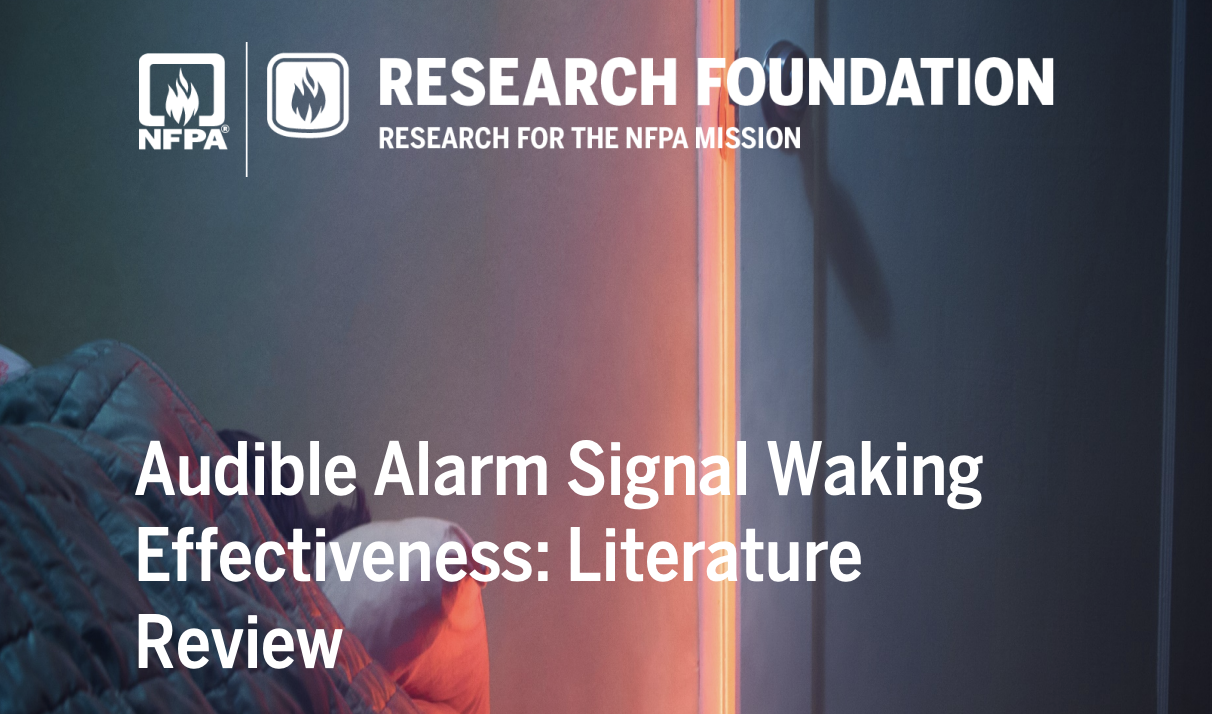
The Alarm Sound Proven to Wake Sleeping People
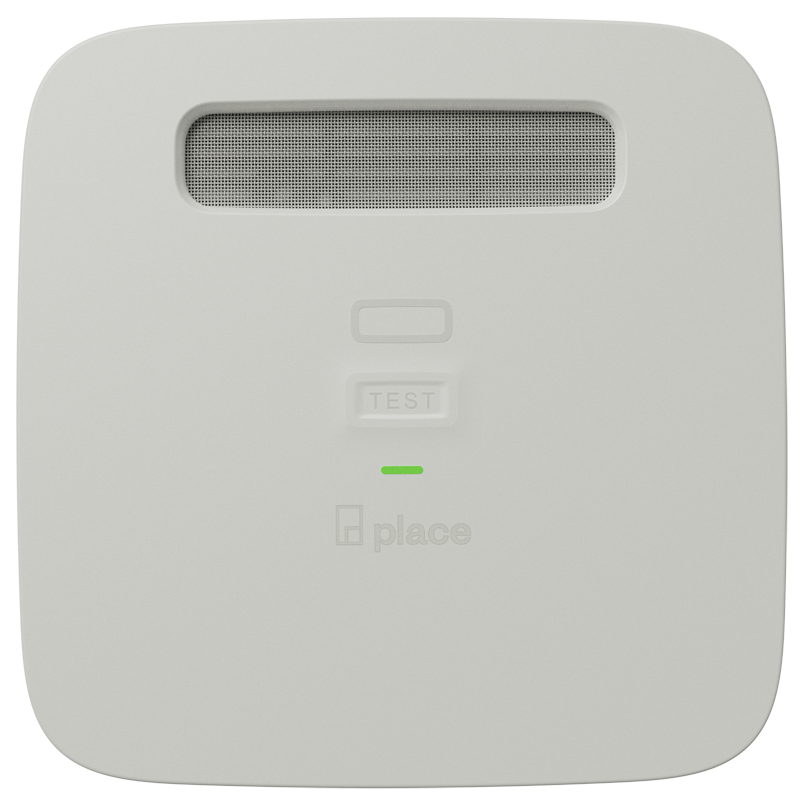
PLACE is the only residential smoke and carbon monoxide alarm with an integrated 520 Hz low-frequency sounder, a frequency shown to wake people more effectively than the traditional high-pitched alarms found in most homes.

This is especially critical for high-risk groups like children, older adults, and people who sleep deeply or have difficulty hearing higher-pitched sounds.


Why Traditional Alarms Fall Short
Most residential smoke and carbon monoxide alarms rely on high-pitched sounds. While loud, these sounds are not always effective at waking people from sleep.
During sleep, the brain becomes less responsive to higher frequencies, making it easier to sleep through an emergency alarm, even at high volumes.
What Is a Low-Frequency Sounder?
A low-frequency sounder operates at 520 Hz, a deeper tone closer to the range of the human voice.
This frequency is easier for the brain to recognize during sleep and travels more effectively through walls and doors than traditional high-pitched alarms.
New Modern Building and Safety Codes
The proven effectiveness of low-frequency alarms has led to changes in fire safety codes.
The National Fire Protection Association (NFPA) now requires these alarms in all new sleeping areas in certain occupancies, like hotels and dormitories.
Backed by Independent Fire Safety Research
Research conducted by the NFPA Fire Protection Research Foundation has shown that 520 Hz low-frequency alarms are significantly more effective at waking sleeping occupants than traditional high-frequency alarms.
- Proven to wake children, older adults, and those with mild to moderate hearing loss
- More effective for individuals under the influence of alcohol or sleep medication
- Shown to wake at-risk populations at sound levels up to 20 decibels lower than high-pitched alarms
As a result of this research, low-frequency sounders are now required in many commercial and institutional settings, including hotels and dormitories.